

Efficient Heating & Cooling in One System
Heat pumps are the perfect solution for Central Texas weather, providing powerful air conditioning in summer and efficient warmth in winter.
Smart Solutions for Texas Weather
Heat pumps are the Swiss Army Knife of HVAC—delivering efficient comfort for diverse property types.
Homes Without Gas
If your neighborhood doesn't have natural gas lines, a high-efficiency electric heat pump is the most cost-effective way to heat your home.
Commercial Offices
Many commercial buildings rely on rooftop heat pumps to manage climate control efficiently without the need for gas piping.
Hybrid Systems
We can pair a heat pump with a gas furnace (dual fuel). The heat pump handles mild days, and the furnace kicks in for deep freezes.
Ductless Zones
Mini-split heat pumps allow you to add heating and cooling to specific rooms, like additions or garages, without ductwork.
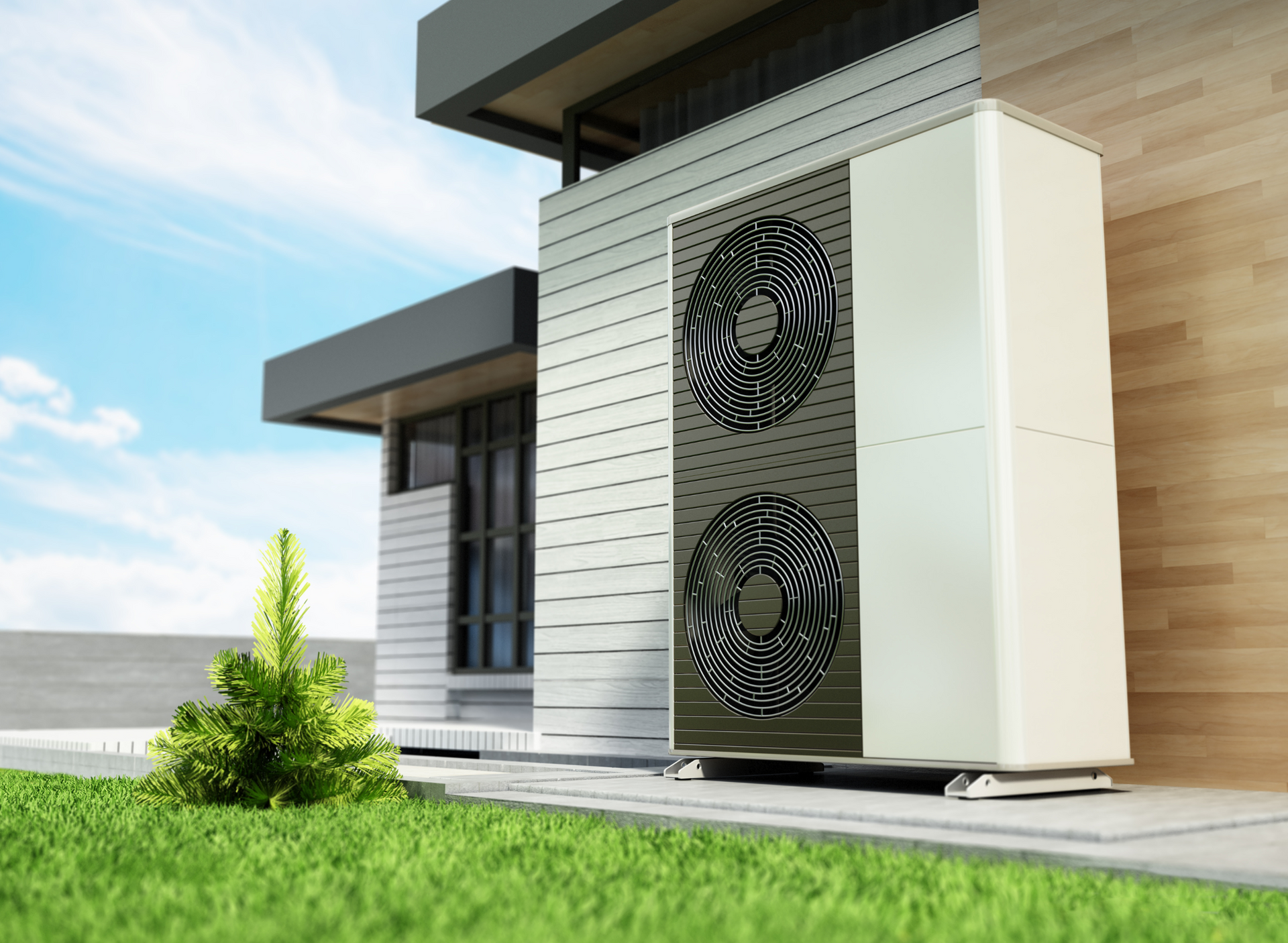
Why the Future of Heating is Electric
Experience a softer, more consistent heat while slashing your winter energy consumption.
Lower Operating Costs: Heat pumps move heat rather than creating it, which uses significantly less energy than electric strip heating or older gas furnaces.
One System to Maintain: Since the heat pump handles both cooling and heating, you only have one outdoor unit to maintain rather than two separate systems.
Safety: Because they run on electricity, heat pumps eliminate the risk of carbon monoxide leaks or gas explosions in your home or business.
Gentle Heat: Heat pumps provide a steady, consistent warmth that doesn't dry out the air as aggressively as gas furnaces do.
Expert Setup for Year-Round Performance
Installation is key. We calibrate the refrigerant and airflow to ensure your system handles both summer highs and winter lows.
Sizing & Selection
We perform a load calculation to select the right size. An undersized heat pump will rely too much on expensive "emergency heat" strips.
Installation & Charging
We install the outdoor unit (on a pad or roof curb) and the indoor air handler. We weigh in the refrigerant charge precisely for optimal efficiency.
Testing Modes
We test the system in both cooling and heating modes, and verify the "defrost cycle" works to keep the outdoor unit from freezing over in winter.
Heat Pump Questions
Answers to common questions about switching to heat pump technology.
Do heat pumps work in freezing weather?
Yes, modern heat pumps are effective even when temperatures drop near freezing. For extreme cold snaps, they have backup electric heat strips to ensure your home stays warm.
What is the difference between a heat pump and an air conditioner?
They look identical, but a heat pump has a "reversing valve" that allows it to run backward. In summer, it pumps heat out; in winter, it pumps heat in.
How long does a heat pump last?
Because a heat pump runs year-round (both summer and winter), the average lifespan is 12-15 years, which is slightly shorter than a furnace that only runs for 3 months.
Are heat pumps good for commercial buildings?
Absolutely. Rooftop heat pumps are the standard for many commercial buildings in Texas because they are efficient, safe, and easy to maintain.
Upgrade to a Heat Pump
Contact us today to see if a high-efficiency heat pump is the right choice for your home or business.
Need Immediate Assistance?
- Residential & Commercial
- Licensed & Insured
- TACLB 129458E
- Family Owned & Operated
Request Your Project Estimate
Contact Us
We will get back to you as soon as possible.
Please try again later.