

Extend the Life of Your Water Heater
Water heaters are prone to rust and sediment buildup. Routine maintenance prevents leaks and keeps your energy bills low.
Fighting the Effects of Hard Water
Sediment is the enemy. Our maintenance checklist targets the mineral buildup that destroys tanks from the inside out.
Tank Flushing
We drain the tank under pressure to remove calcium and sediment. This prevents the "popping" noise and protects the bottom of the tank from rusting.
Anode Rod Inspection
The anode rod is a "sacrificial" metal stick that rusts so your tank doesn't. We check it and recommend replacement if it's depleted.
T&P Valve Testing
We test the Temperature & Pressure relief valve to ensure it opens freely. This is a critical safety device that prevents explosion risk.
Burner Assembly Cleaning
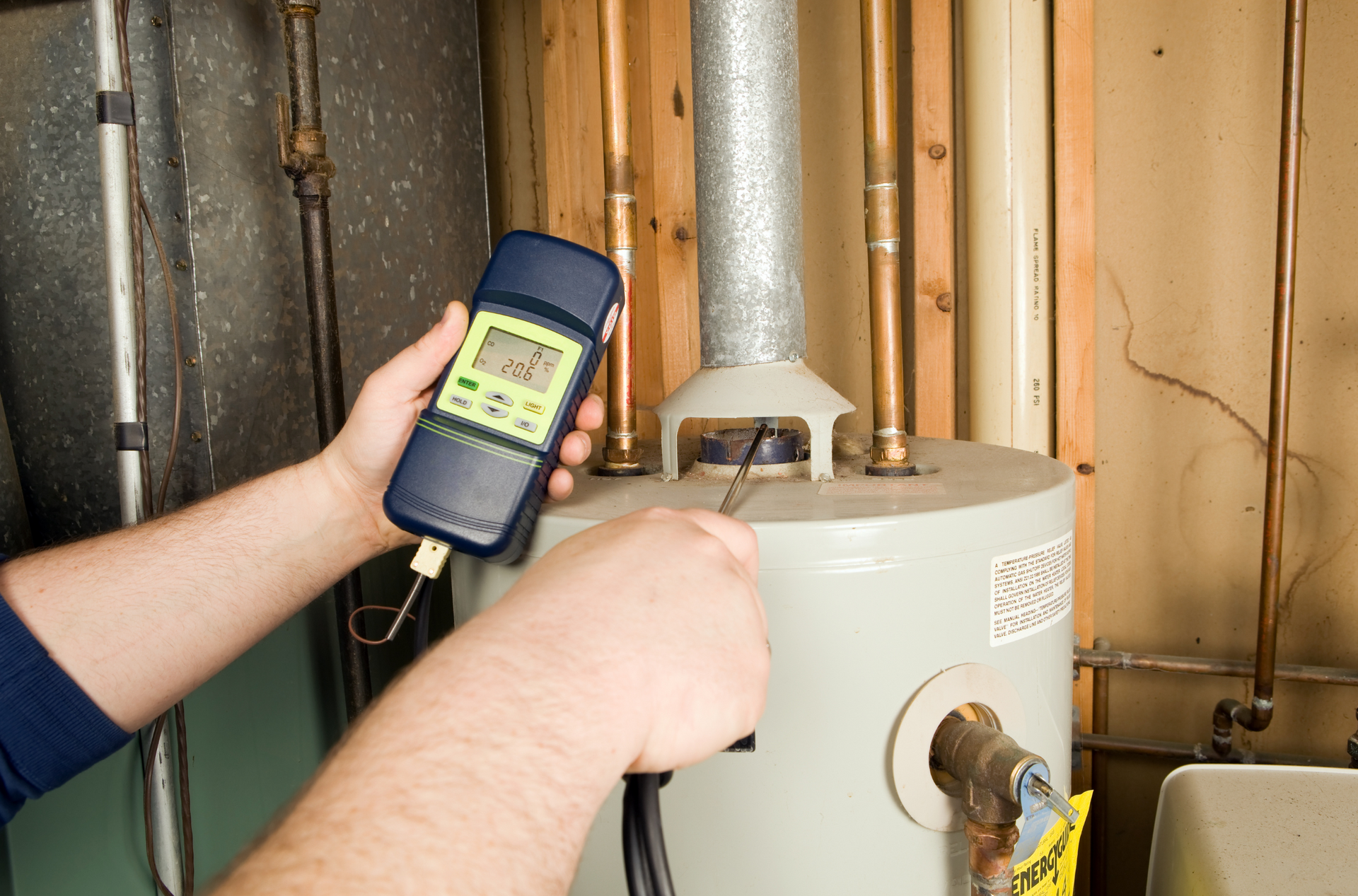
For gas units, we clean the burner and air intake screens. Dust buildup here can cause poor combustion and soot issues.
Double the Lifespan of Your Unit
A water heater is an expensive appliance. Annual flushing is the single easiest way to protect that investment.
Prevent Premature Leaks: Sediment eats through the steel tank lining. Flushing the tank is the only way to remove it and prevent catastrophic leaks.
Maintain Efficiency: A layer of sediment acts as insulation, making gas burners work harder to heat the water. Cleaning it out lowers your gas bill.
Eliminate Odors: Bacteria can grow in unmaintained tanks, causing a "rotten egg" smell. We can flush the system to restore fresh water quality.
Commercial Compliance: For restaurants, regular maintenance ensures you always have the consistent water temperature required by the health department.
The Sediment Flush Procedure
We bring the hoses and the tools. You just enjoy the peace of mind knowing your tank is clean and efficient.
Shut Down & Protect
We turn off the heating source and attach a commercial hose to the drain valve, running it to a safe drainage point outside.
Power Flush
We open the valve and use the cold water supply pressure to agitate the sediment at the bottom of the tank and force it out of the hose.
Safety Check & Reset
We close the valve, refill the tank, check the anode rod, and restart the pilot light or power breaker, verifying the water heats up correctly.
Water Heater Maintenance Questions
Answers about keeping your plumbing system healthy.
How often should I flush my water heater?
In Central Texas, due to hard water, we recommend flushing your tank once a year. If you have a tankless unit, it must be descaled annually to prevent clogging.
What is an anode rod?
The anode rod is a magnesium or aluminum core inside your tank that attracts corrosive elements. It rusts instead of your tank. Replacing it every 3-5 years can double the life of your water heater.
Can I flush the water heater myself?
You can, but it involves dealing with scalding hot water and pressurized steam. Also, plastic drain valves on older tanks easily snap off. It is safer to have a pro handle it.
Do tankless water heaters need maintenance?
Yes! Tankless units are very sensitive to scale. They require a "descaling" flush with a vinegar solution or specialized cleaner once a year to keep the heat exchanger working.
Schedule Your Tank Flush
Protect your investment. Book a water heater maintenance visit with AirMaxx today.
Need Immediate Assistance?
- Residential & Commercial
- Licensed & Insured
- TACLB 129458E
- Family Owned & Operated
Request Your Project Estimate
Contact Us
We will get back to you as soon as possible.
Please try again later.